





Email: info@iddmena.com
Phone: +201012012626
WhatsApp: +201012012626
Lillian Trasher Children’s Home
Building on a legacy of care to create a place where children can grow, learn, belong, and prepare for the future.
Strategy
Opportunity
In 1910, 23-year-old Lillian Trasher left the United States and moved to Assiut, Egypt, following a calling to serve. A year later, caring for an abandoned baby girl marked the beginning of a ministry that would support orphans, widows, and blind women. Over time, her work grew through the support of the Assiut community and became a place of care for thousands of vulnerable people.
Today, the Lillian Trasher Orphanage continues this legacy through residential care, education, vocational training, healthcare, and community support. As the campus looks toward its next decades of ministry, the challenge is to ensure that its spaces continue to meet the changing needs of children while also strengthening families and serving the wider community.
Response
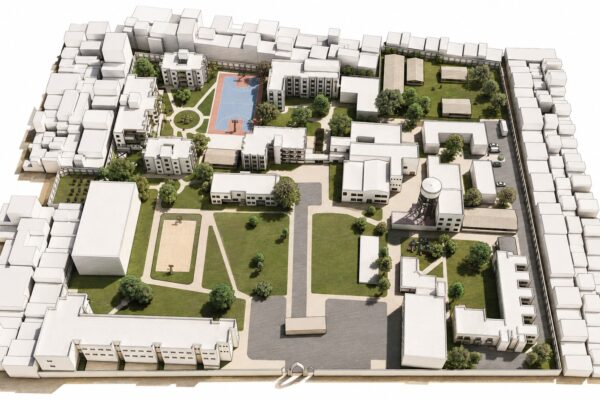
IDD partnered with the Lillian Trasher Home Board and Director to develop a long-term vision and phased masterplan for the campus. The process began by listening to the people who use the site and understanding how children, staff, families, and visitors experience the existing spaces.
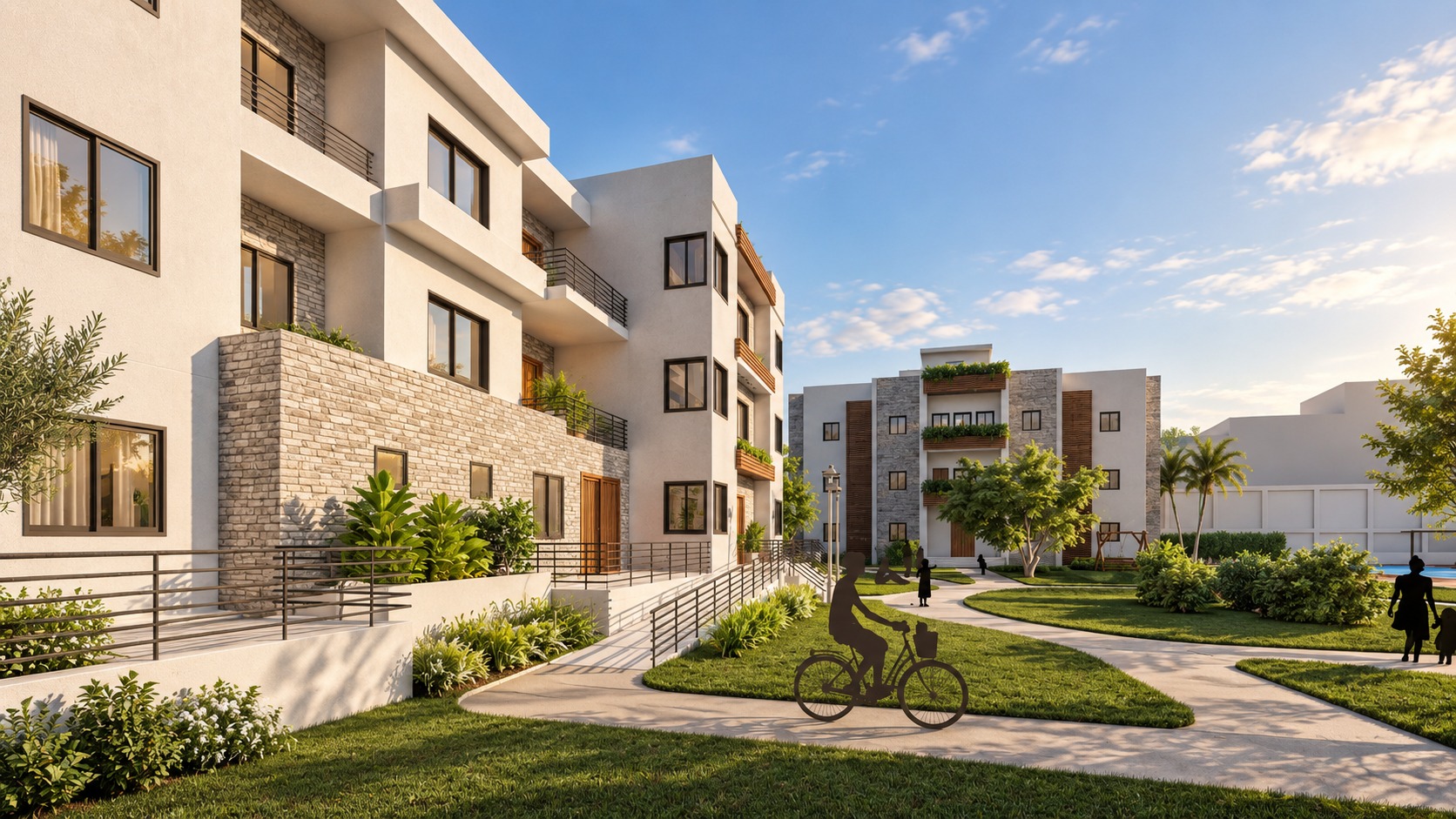
The masterplan organizes the campus into distinct zones that balance care, protection, learning, community engagement, and public service. The children’s residential area is located in the quieter northern portion of the site, with access to dining, green spaces, and sports facilities. More public areas—including education, conferences, the chapel, healthcare, and community services—are positioned closer to the front of the campus.
The plan also introduces opportunities for future daycare, vocational training, disability care, counseling, outreach, and other programs that support children not only during their time at Lillian Trasher Home, but as they prepare for independent and meaningful lives.
Sustainability
The masterplan seeks to make thoughtful use of the existing campus by preserving and adapting buildings wherever practical. Phased development allows the Lillian Trasher Home to grow according to its resources and priorities, while future income-generating activities such as healthcare, education, agriculture, and workshops can contribute to the ministry’s long-term self-sufficiency.
Preserving the existing spaces also protects an important part of Lillian Trasher’s legacy the ministry’s history.
Impact
The masterplan creates a clearer, more connected framework for caring for children and supporting their development—educationally, spiritually, socially, vocationally, and ethically.
Beyond providing a safe and nurturing place for children who live on campus, the vision extends to families across Assiut through education, healthcare, counseling, and community-based support. By strengthening families and expanding opportunities, the LTO can continue its legacy of care while helping more children grow toward healthy, hopeful, and independent futures.
Date: 2023
Status
Concept Design
Services
Project Type
Location
Egypt

The River Member Care Center
The River Member Care Center

SBC Church
SBC Church
Life Agaby Headquarters